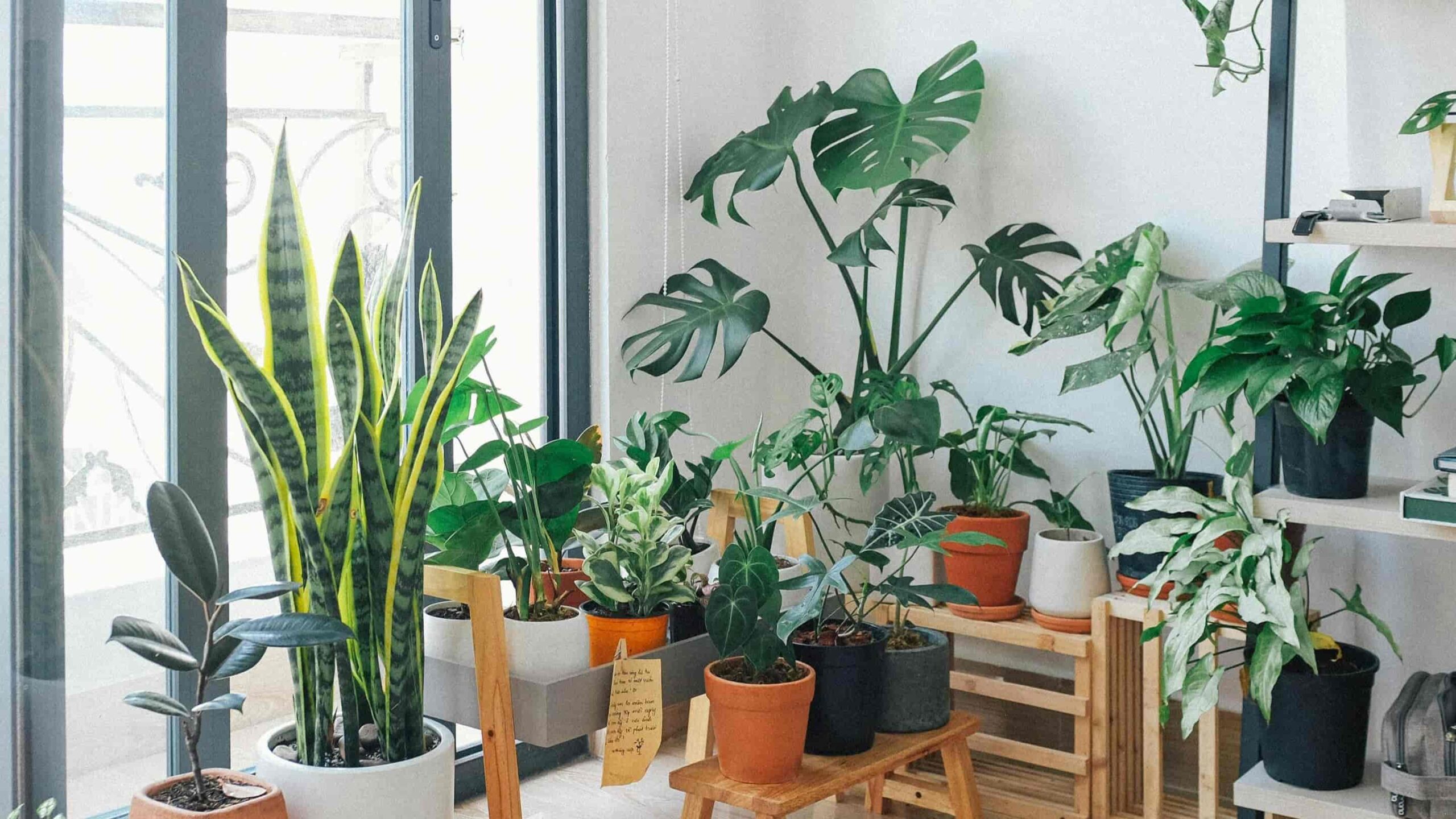

Today, terraces and sunrooms have become true protagonists of contemporary homes. At Creativity Build, we believe that outdoor areas are just as important as indoor areas. These open spaces, once used occasionally, are for us a natural extension of the home, an area for relaxation, socializing, and connecting with nature.
At Creativity Build, we know that incorporating plants into them not only provides aesthetic benefits but also environmental, emotional, and comfort benefits.
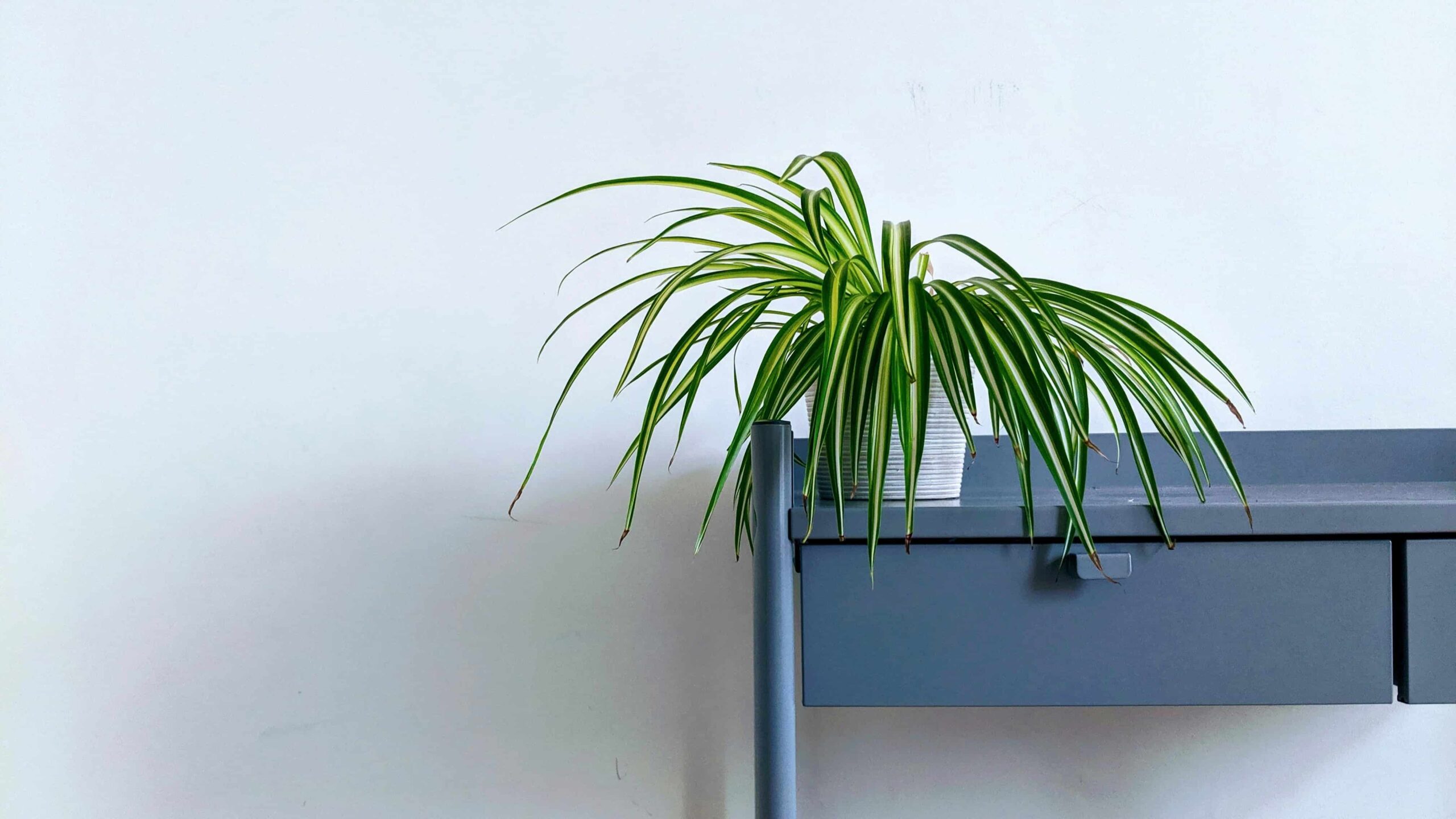
Plants are a natural resource for reducing stress. Numerous studies show that the presence of vegetation helps decrease anxiety, improves concentration, and creates a more relaxing environment. Having a green terrace or solarium means creating a personal refuge—an oasis in the middle of the city.
Vegetation acts as a natural insulator. In summer, plants cool the environment through shade and the transpiration of their leaves, reducing the temperature of hard surfaces such as pavements and railings. In winter, certain species help block the wind, increasing thermal comfort in outdoor spaces. A design thoughtfully incorporating vegetation, as we propose at Creativity Build, promotes energy efficiency and comfort throughout the year.
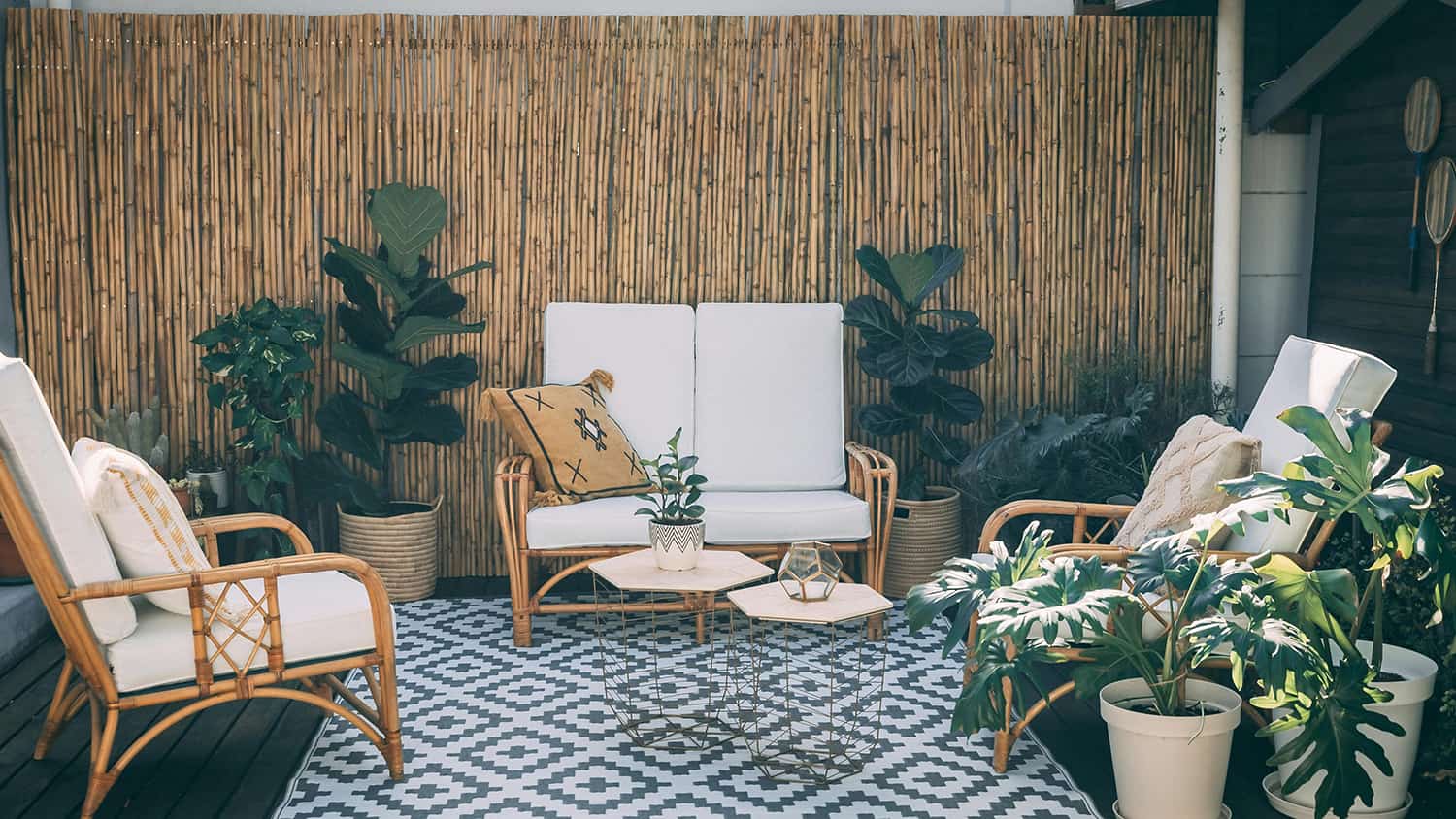
From an architectural perspective, vegetation provide texture, color, and movement. A terrace with vegetation conveys life and dynamism. In solariums, where the space is more generous, even large potted trees can be incorporated, turning them into true elevated gardens with high aesthetic value. This integration of nature and design is essential in projects that aim to enhance the quality of living spaces.
Integrating vegetation on terraces helps improve air quality, promotes biodiversity by attracting pollinators such as bees and butterflies, and adds a small but meaningful contribution toward creating greener, more sustainable cities.
At Creativity Build, we want to guide you with some basic tips for this task.
The choice of species depends on the orientation, sun exposure, and local climate. However, there are very versatile and easy-to-maintain categories:
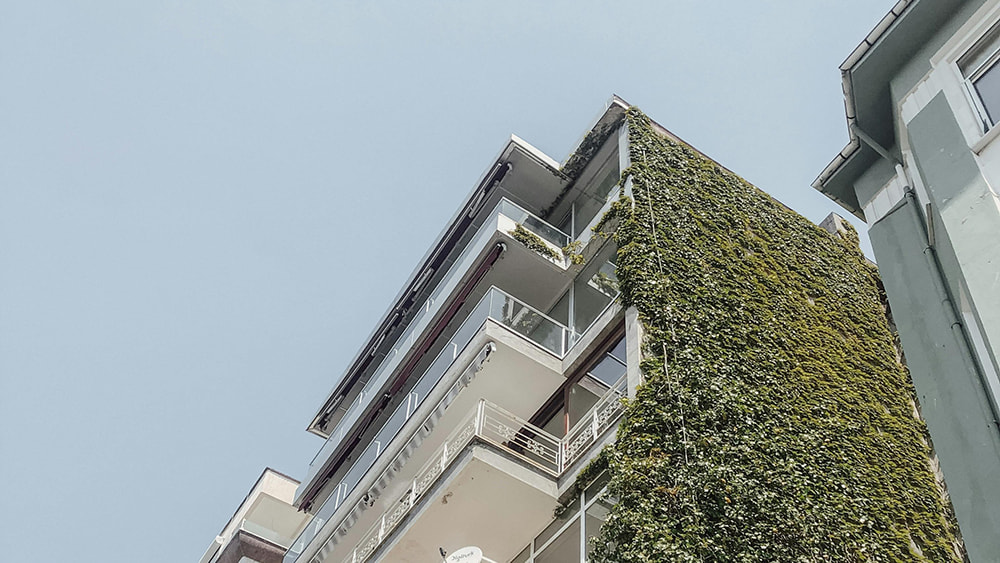
Additionally, climbing plants such as jasmine or ivy are functional for creating privacy screens and covering walls or railings, providing visual freshness.
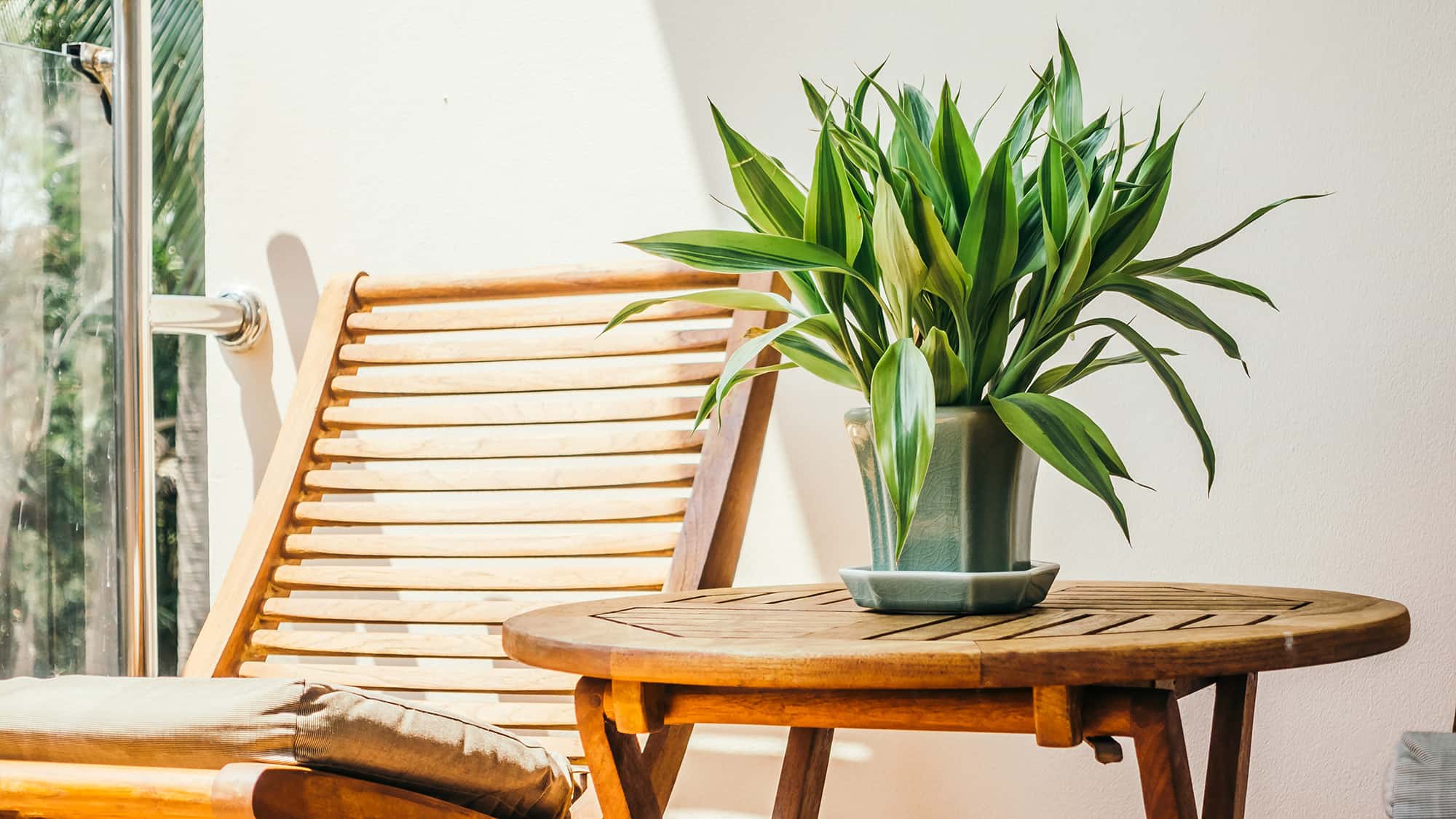
The solarium, being a larger space with better sun exposure, allows for a greater variety of species and plant sizes. Here, large plants and even potted trees can be incorporated, always with a proper drainage system.